


PCOS, or polycystic ovary syndrome, is one of the most common hormonal conditions affecting women of reproductive age, with research estimating it affects roughly 1 in 10 women. Despite how common it is, it’s still widely misunderstood, and many women go years before getting a clear diagnosis.
What Is PCOS?
PCOS is a hormonal condition typically diagnosed when a woman has at least two of the following: irregular or absent ovulation, elevated androgen (male hormone) levels, and multiple small follicles on the ovaries visible on ultrasound. It’s frequently associated with insulin resistance, which is thought to play a central role in driving the hormonal imbalance. Diagnosis requires bloodwork and a clinical evaluation, so if you suspect PCOS, the first step is always a conversation with your doctor.
The Inositol Connection
Myo-Inositol and D-Chiro Inositol are naturally occurring compounds that play a role in how cells respond to insulin. Research suggests that in some women with PCOS, the ratio between these two forms of inositol becomes imbalanced, which may be associated with disruptions in ovulation and metabolic function. Because of this, inositol supplementation — usually in a ratio designed to mirror healthy physiological levels — has become one of the most studied nutritional approaches for supporting hormonal balance in women managing PCOS-related concerns.
Common Signs of Hormonal & Ovarian Imbalance
- Irregular or absent periods. Cycles that are unpredictable, infrequent, or missing altogether.
- Acne and oily skin. Often linked to elevated androgen levels.
- Changes in hair growth. Increased facial or body hair, or thinning hair on the scalp.
- Weight changes. Difficulty managing weight, often tied to underlying insulin resistance.
- Fatigue and mood shifts. Common alongside blood sugar and hormonal fluctuations.
Lifestyle Factors That Support Hormonal Balance
- Stabilize blood sugar. Regular meals with protein and fiber help smooth out the insulin swings that can worsen hormonal symptoms.
- Move regularly. Both strength training and cardiovascular exercise support insulin sensitivity.
- Prioritize sleep. Poor sleep is linked to worse insulin resistance and hormonal regulation.
- Manage stress. Chronic stress elevates cortisol, which interacts with the same hormonal pathways affected by PCOS.
- Build meals around whole foods. Minimizing ultra-processed foods and added sugar supports more stable blood sugar throughout the day.
The Role of Targeted Supplementation
Nutritional gaps are common even with a strong diet, which is why many women add targeted supplementation alongside lifestyle changes and medical care.*
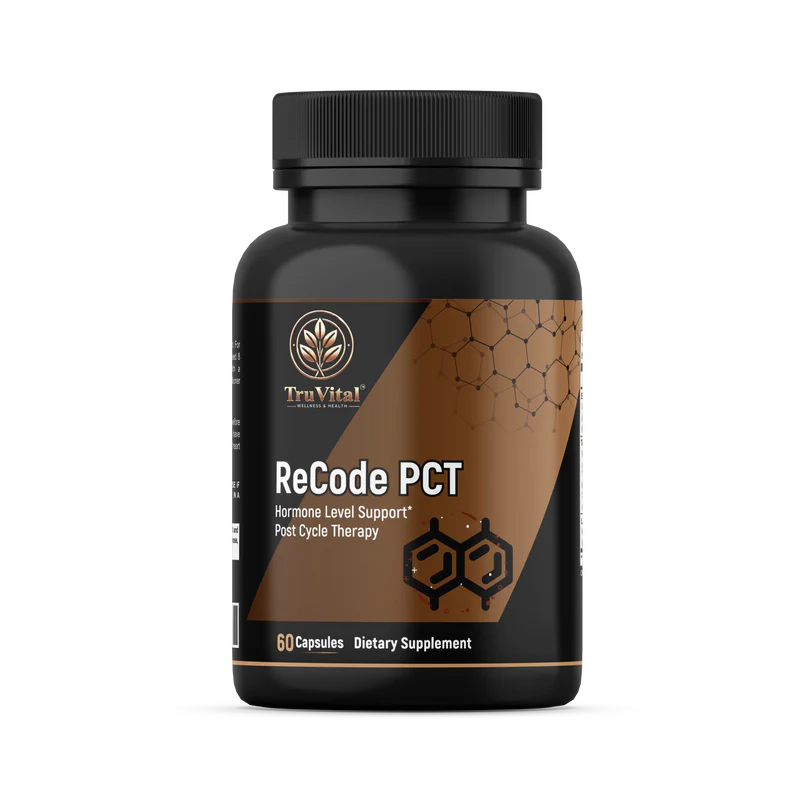
TruVital FemBalance provides Myo-Inositol and D-Chiro Inositol (Caronositol®) in a targeted ratio, along with supporting nutrients, to help support normal hormonal balance, ovarian function, and metabolic health.* FemBalance isn’t a treatment for PCOS — it’s nutritional support many women use alongside, not instead of, care from their doctor. Talk to your healthcare provider before starting FemBalance if you have PCOS or another hormonal condition.*
The Bottom Line
PCOS is common, manageable, and not something you have to figure out alone. A proper diagnosis from your doctor is the essential first step, and from there, a combination of lifestyle habits and targeted nutritional support can make a meaningful difference in how you feel day to day.
Explore TruVital’s women’s wellness range at thetruvital.com and find the formula built for your specific needs.
*These statements have not been evaluated by the Food and Drug Administration. These products are not intended to diagnose, treat, cure, or prevent any disease. Consult your healthcare provider before beginning any new supplement regimen.