



For most men, changes in prostate size and urinary habits become noticeable sometime after 50. It’s one of the most common experiences of aging, and one of the least talked about. Understanding what’s actually happening can make it much easier to know when it’s a normal part of getting older, and when it’s worth a conversation with your doctor.
Why the Prostate Changes With Age
The prostate is a small gland, roughly the size of a walnut, that sits below the bladder and surrounds the urethra. As men age, hormonal shifts — particularly the gradual accumulation of DHT (dihydrotestosterone) in prostate tissue — cause the gland to slowly enlarge in many men. This very common, non-cancerous condition is known as benign prostatic hyperplasia, or BPH. It doesn’t raise your risk of prostate cancer, but because the enlarged tissue can press on the urethra, it explains most of the urinary changes men notice with age.
Common Signs of Prostate Changes
These symptoms can have several different causes, so a proper evaluation from a doctor is the only way to know what’s actually driving them:
- Waking up to urinate at night. Known as nocturia, this is often the earliest and most noticeable sign.
- A weaker or slower urine stream. Narrowing of the urethra can make urination feel less forceful than it used to.
- Difficulty starting urination. A short delay or hesitation before the stream begins.
- A feeling of incomplete emptying. The sense that the bladder isn’t fully empty after urinating.
- Increased urgency or frequency. Needing to go more often, or more suddenly, than before.
What Contributes to Prostate Changes
- Age and hormonal shifts. DHT accumulation in prostate tissue increases steadily with age.
- Family history. A father or brother with BPH raises the likelihood of experiencing it yourself.
- Diet. Diets low in vegetables and high in processed foods and red meat are associated with a higher incidence of urinary symptoms.
- Inactivity. Sedentary habits are linked to a higher rate of prostate-related urinary symptoms than regular physical activity.
- Chronic inflammation. Ongoing low-grade inflammation is thought to contribute to prostate tissue changes over time.
Everyday Habits That Support Prostate Wellness
- Taper evening fluids. Front-loading hydration earlier in the day can reduce nighttime trips to the bathroom.
- Watch caffeine and alcohol. Both are bladder irritants and diuretics that can worsen urgency and frequency.
- Stay active. Regular exercise supports healthy circulation and hormonal balance.
- Maintain a healthy weight. Excess weight is associated with more pronounced urinary symptoms.
- Keep up with checkups. Routine screenings let your doctor track changes over time and catch anything that needs attention early.
The Role of Targeted Supplementation
Diet and lifestyle are the foundation, but many men look for additional nutritional support as these changes progress.*
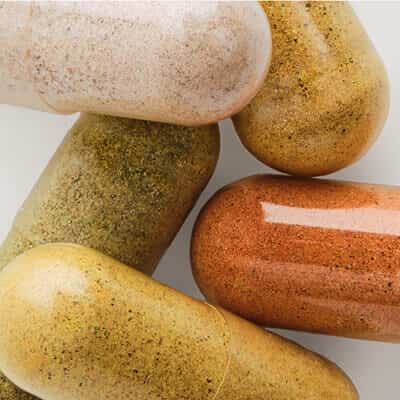
TruVital ProstaVive combines Saw Palmetto, Beta-Sitosterol, and Lycopene with complementary botanicals like Pygeum and Stinging Nettle — among the most researched natural compounds associated with supporting healthy prostate function and normal urine flow.* It’s nutritional support, not a treatment for BPH or any prostate condition — talk to your doctor about diagnosis and treatment if you’re experiencing urinary symptoms.*
The Bottom Line
Prostate changes are an extremely common part of aging for men, but “common” doesn’t mean you have to just live with disrupted sleep and daily discomfort. Understanding what’s happening, adjusting daily habits, and staying on top of checkups puts you in a much better position to manage it.
Explore TruVital’s men’s wellness range at thetruvital.com and find the formula built for your specific needs.
*These statements have not been evaluated by the Food and Drug Administration. These products are not intended to diagnose, treat, cure, or prevent any disease. Consult your healthcare provider before beginning any new supplement regimen.