



Urinary tract infections are one of the most common infections women deal with, and for many, they don’t stop at one. If you’ve dealt with recurring urinary discomfort, you’ve probably already tried the usual advice. Here’s a closer look at why UTIs recur and what the research actually supports for everyday urinary tract support.
Why UTIs Happen — and Recur
Most UTIs occur when bacteria, most commonly E. coli from the digestive tract, travel into the urinary tract and adhere to the walls of the bladder or urethra. Women are anatomically more prone to this than men because of a shorter urethra. Once bacteria establish themselves, they can be difficult to fully clear, which is part of why some women experience repeated infections rather than isolated ones.
If you have symptoms of an active UTI — burning during urination, urgency, cloudy or strong-smelling urine, pelvic pressure, or fever — see a doctor. UTIs are a medical condition that typically requires diagnosis and, often, antibiotic treatment. The information below is about everyday maintenance support, not treatment for an active infection.
Common Risk Factors
- Anatomy. A shorter urethra means bacteria have a shorter distance to travel.
- Sexual activity. Can introduce bacteria near the urethral opening.
- Not fully emptying the bladder. Leaves residual urine where bacteria can multiply.
- Dehydration. Concentrated urine and infrequent urination reduce the natural flushing effect.
- Menopause. Declining estrogen thins the vaginal and urinary tract tissue, which is associated with increased UTI frequency in postmenopausal women.
The Research on D-Mannose
D-Mannose is a naturally occurring simple sugar that has become one of the most researched nutritional approaches to urinary tract maintenance. The proposed mechanism: certain bacteria, including many strains of E. coli, adhere to the urinary tract wall using structures that bind to mannose. Free D-Mannose in the urinary tract may occupy those binding sites instead, allowing the bacteria to be flushed out during normal urination rather than taking hold.
Everyday Habits That Support Urinary Tract Health
- Stay hydrated. Regular fluid intake supports frequent, natural flushing of the urinary tract.
- Don’t hold it. Urinating when you feel the urge, rather than delaying, reduces the time bacteria have to multiply.
- Urinate after sexual activity. A simple habit commonly recommended to help clear bacteria near the urethra.
- Wipe front to back. Reduces the chance of introducing bacteria from the digestive tract.
- Avoid unnecessary irritants. Scented feminine products can disrupt the local balance for some women.
The Role of Targeted Supplementation
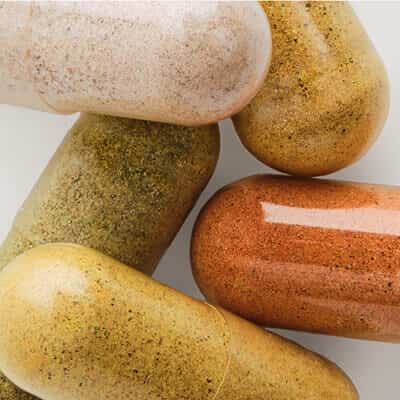
Many women use daily nutritional support as a maintenance habit between infections, alongside the lifestyle habits above.*
TruVital UraCare combines D-Mannose with Cranberry, Hibiscus, and Dandelion Root extracts to help support urinary tract and bladder wellness.* It’s intended for everyday maintenance support, not for treating an active urinary tract infection — talk to your doctor if you have UTI symptoms.*
The Bottom Line
Recurring urinary discomfort is frustrating, but it’s also one of the more researched areas of everyday women’s wellness. Between hydration, simple daily habits, and targeted nutritional support, there’s a real maintenance routine you can build — just make sure any active infection gets seen by a doctor first.
Explore TruVital’s women’s wellness range at thetruvital.com and find the formula built for your specific needs.
*These statements have not been evaluated by the Food and Drug Administration. These products are not intended to diagnose, treat, cure, or prevent any disease. Consult your healthcare provider before beginning any new supplement regimen.